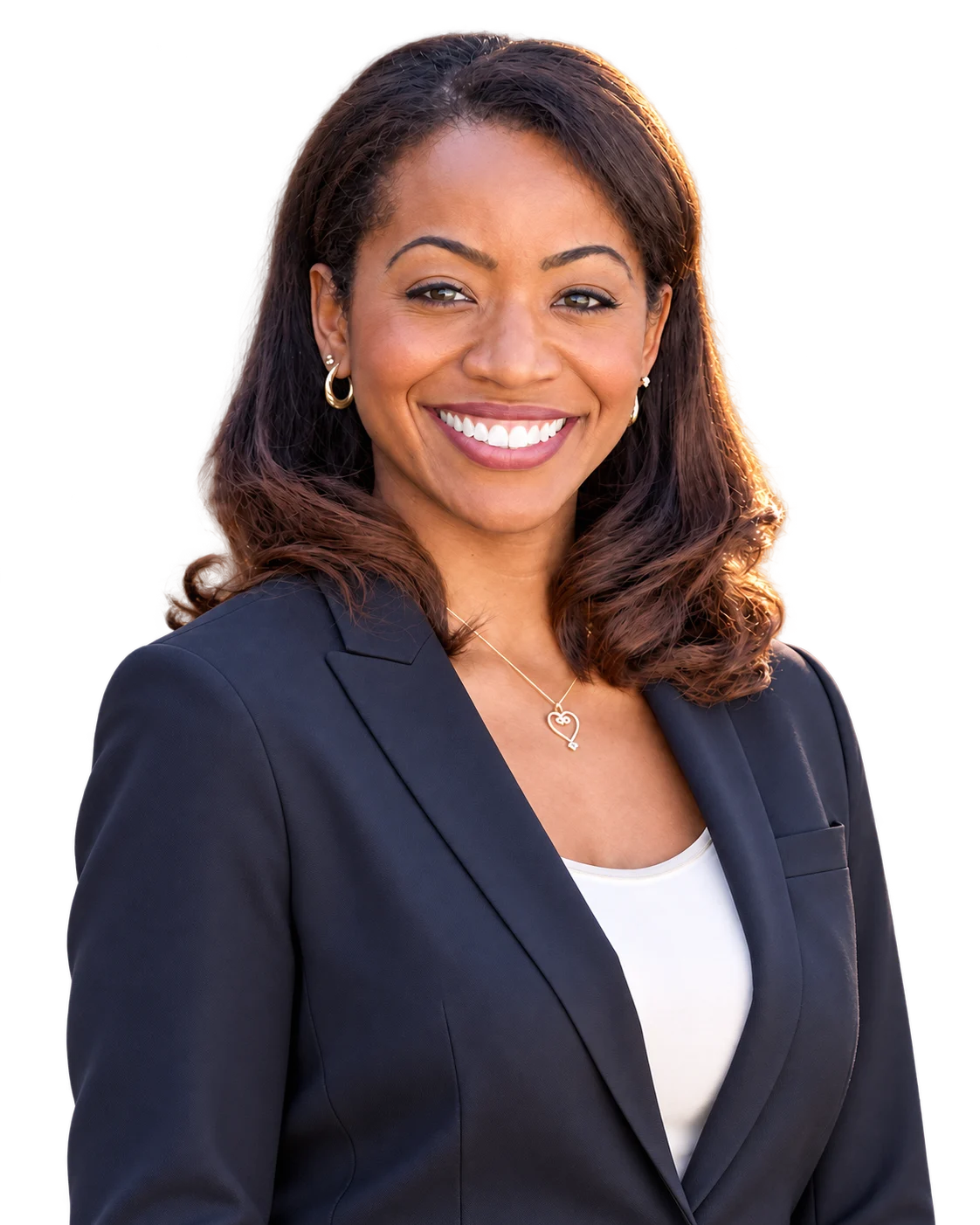
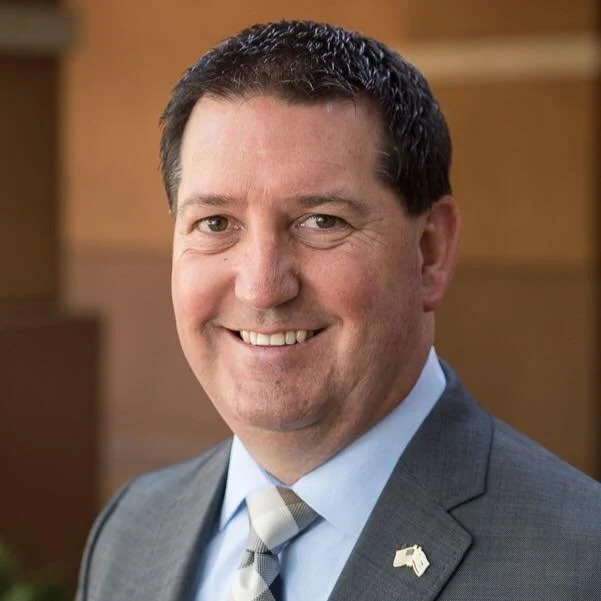
Malia Cohen smiling in a navy blazer, with sunlight along her hair, against an illustrative California park.
MaliaCohen.orgVoters demand transparency
Menu

Malia CohenPower. Money. Accountability?

California State Controller Malia Cohen promises transparency. She oversees taxpayer dollars in the world’s fourth-largest economy. Let’s bring some sunshine to how she handles your money.

Share this story

Help someone else check the record.

Who is Malia Cohen?

Malia Cohen is California’s State Controller, in office since January 2, 2023. A Democrat from San Francisco, she previously represented District 10 on the city’s Board of Supervisors and District 2 on the California State Board of Equalization. Her current job includes auditing state spending, overseeing payments and administering unclaimed property. [2][7][5][1]

Read her full biography What accounting and financial experience does she bring to the job? →
Current office
California State Controller
Took office
January 2, 2023
Political party
Democratic
Share this story

Help someone else check the record.

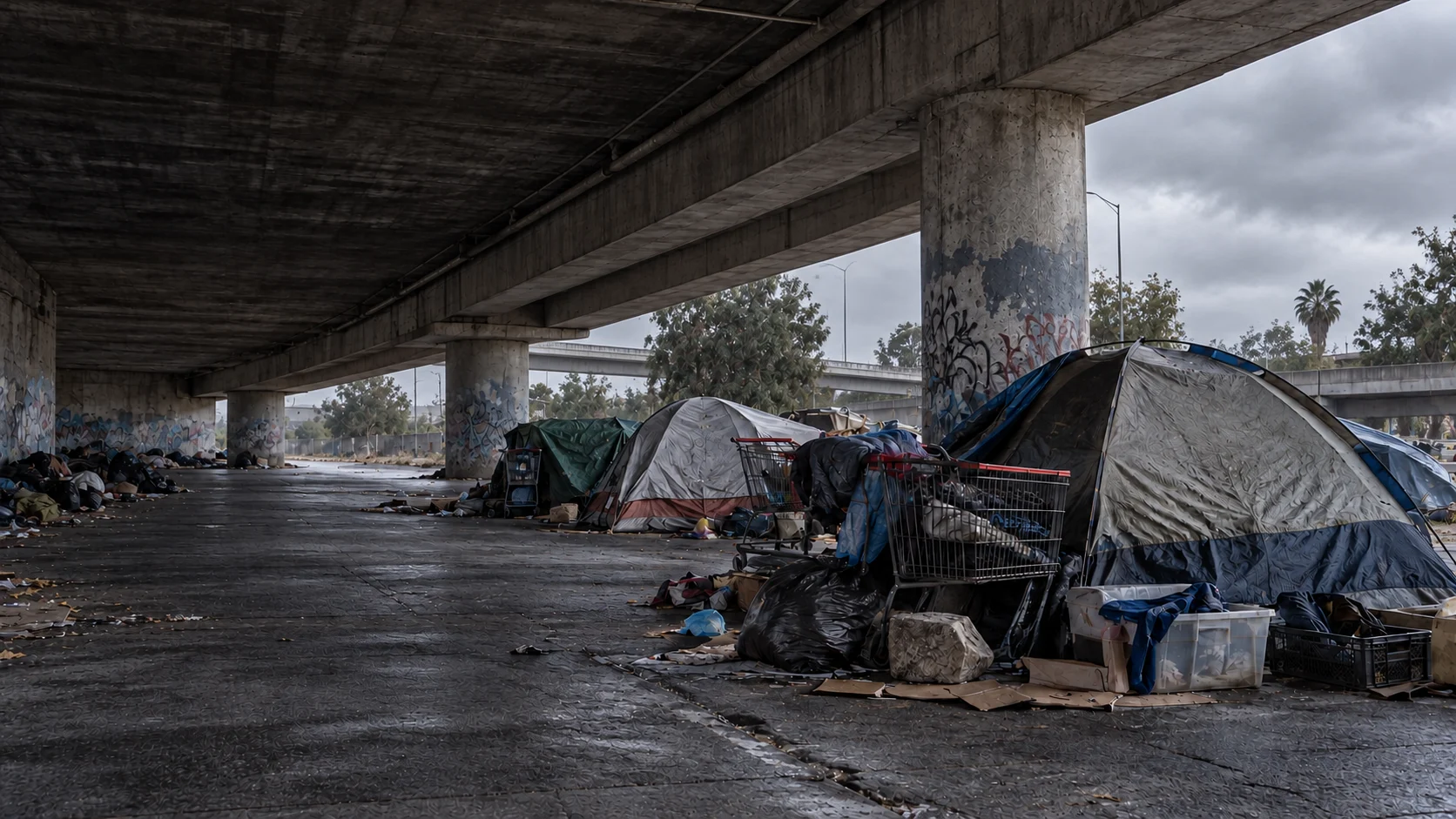
AI-generated illustration of tents, shopping carts and belongings beneath a graffiti-marked overpass; no people are shown.

Nearly $24 billion.Did it get people housed?

California allocated nearly $24 billion to housing and homelessness from 2018–19 through 2022–23. The 2024 State Auditor review found gaps in the information needed to judge whether major programs worked. [2]

See the spending and audit record

Did Malia Cohen deliver the homelessness audits she promised?

Malia Cohen campaigned in 2022 on scrutinizing homelessness spending. By October 2026, her office reported that it had done no homelessness audits. Her explanation: the state denied funding for broader audit work. [3]

Read the timeline at a glance ↓
“I am going to keep people accountable”
Malia Cohen · CalMatters · May 2, 2022 [1]

No homelessness audits.

Reported by her office to the Los Angeles Times · October 1, 2026 [3]

What did Malia Cohen promise about homelessness spending?

Running for California state controller in 2022, Malia Cohen told CalMatters she wanted to scrutinize homelessness spending. She also named the Employment Development Department and the DMV. [1]

The test is practical: did the spending help people find and keep a home? Cohen put that question on her campaign agenda.

Voters can check that commitment against the homelessness audits her office completed.

CalMatters · May 2, 2022

What did California’s 2024 homelessness audit find?

Three programs received more than $9.4 billion in funding since 2020. In its April 2024 review, the State Auditor could not determine whether they were cost-effective because their outcome data was inadequate. [2]

In the encampment program, four of ten grant recipients reviewed had incomplete or unusable results as of July 2023. Fields for the number of people permanently housed were left blank or marked “data not collected.”

Likely cost-effective
Homekey and CalWORKs Housing Support.
Results too incomplete to assess
State Rental Assistance, Encampment Resolution Funding and Homeless Housing, Assistance and Prevention (HHAP).

Cal ICH accepted the recommendations. The separate State Auditor produced this review. It was not an audit by Cohen’s office.

California State Auditor · April 9, 2024

Why did Malia Cohen’s office say it had done no homelessness audits?

Cohen said her office had asked the state for audit funding and been turned down. Her office clarified that the request covered high-risk audits generally. It did not specifically name homelessness. [3]

Why does that matter?
Cohen chose homelessness spending as a campaign priority. Her office sought funding for high-risk audits generally, without specifically naming homelessness. That is the explanation voters have been given for the promised scrutiny.
Los Angeles Times · October 1, 2026

How many people are homeless in California?

California counted 151,278 people experiencing homelessness in 2019. The figure reached 187,084 in 2024, then fell to 181,934 in 2025. That decline matters. The 2025 count was still about 20% above 2019.

These are estimates from a single-night count of sheltered and unsheltered people. COVID-19 disrupted the 2021 unsheltered count. [4–6]

California homelessness estimates · 2019–2025
Homelessness increased through 2024, then declined in 2025Annual point-in-time counts. Exact figures and sources are available in the table below. The vertical axis starts at zero; 2021 is missing.0100k200k151,278161,548171,521181,399187,084181,9342019202020212022202320242025No full count

How much did California allocate to housing and homelessness?

The 2022 budget record shows billions committed across several years. The largest annual amount in this series was $8.973 billion in 2021–22.

Selected funding increases recorded by the Legislative Analyst’s Office in 2022. Includes housing programs and all fund sources. Amounts approved, rather than bills paid. *The 2023–24 bar covers commitments made in the 2022–23 budget. [7]

Housing & homelessness allocations · billions of dollars
2018–19
$0.500
2019–20
$2.016
2020–21
$1.658
2021–22
$8.973
2022–23
$4.856
2023–24*
$2.556

A later LAO report put broader housing and homelessness funding at about $37 billion for 2019–20 through 2024–25. [8]

Download homelessness estimates (CSV) · Download allocation figures (CSV)

Read the exact figures and sources
Point-in-time count
YearPeople
2019151,278
2020161,548
2021No comparable full count
2022171,521
2023181,399
2024187,084
2025181,934
Selected allocations · $ millions
Fiscal yearAllocation
2018–19$500
2019–20$2,016
2020–21$1,658
2021–22$8,973
2022–23$4,856
2023–24*$2,556

What do California homelessness programs cost?

The State Auditor compared costs with housing results. These are two of its findings: [11]

Per supported family, per fiscal year
$12,000–$22,000CalWORKs Housing Support: expenditure and outcome data from ten counties over four fiscal years, reviewed in the April 2024 audit.
Per housing unit expected to be produced
About $144,000Homekey Round 1: average calculated across eight projects reviewed in the April 2024 audit.

The auditor judged both programs likely cost-effective. Their figures show why the cost of a housing unit and the annual cost of helping a family need separate measures.

What she promised. What her office reported.

Homelessness oversight: the commitment, independent findings and office response
DateRecordSource
Cohen identified homelessness spending, EDD and DMV as subjects for scrutiny.CalMatters
Five programs reviewed: two likely cost-effective; three lacked enough outcome data for an assessment.California State Auditor
Cohen attributed the lack of audits to a funding denial.Los Angeles Times

What is Malia Cohen promising now?

Her 2026 campaign asks voters to judge her on housing and results. Here is what it says today.

“My focus is making sure public resources deliver results for people who need them most.”
Malia Cohen, quoted on her campaign’s Accomplishments page
Accomplishments ↗ · Viewed October 8, 2026
“She’ll continue to prioritize and incentivize the development of more affordable housing”
Campaign housing platform, excerpt
Housing platform ↗ · Viewed October 8, 2026

Her campaign also points to housing incentives and audits in other areas. Those claims do not answer this question: did her office carry out the homelessness scrutiny she identified in 2022? The October 2026 report above gives her office’s answer and her funding explanation. [3]

California State Controller Malia Cohen made homelessness spending a campaign priority. Four years later, voters have her office’s reported result and her explanation for it.

If she hasn’t delivered the scrutiny she promised, why should voters give her another four years?

Explore housing oversight →
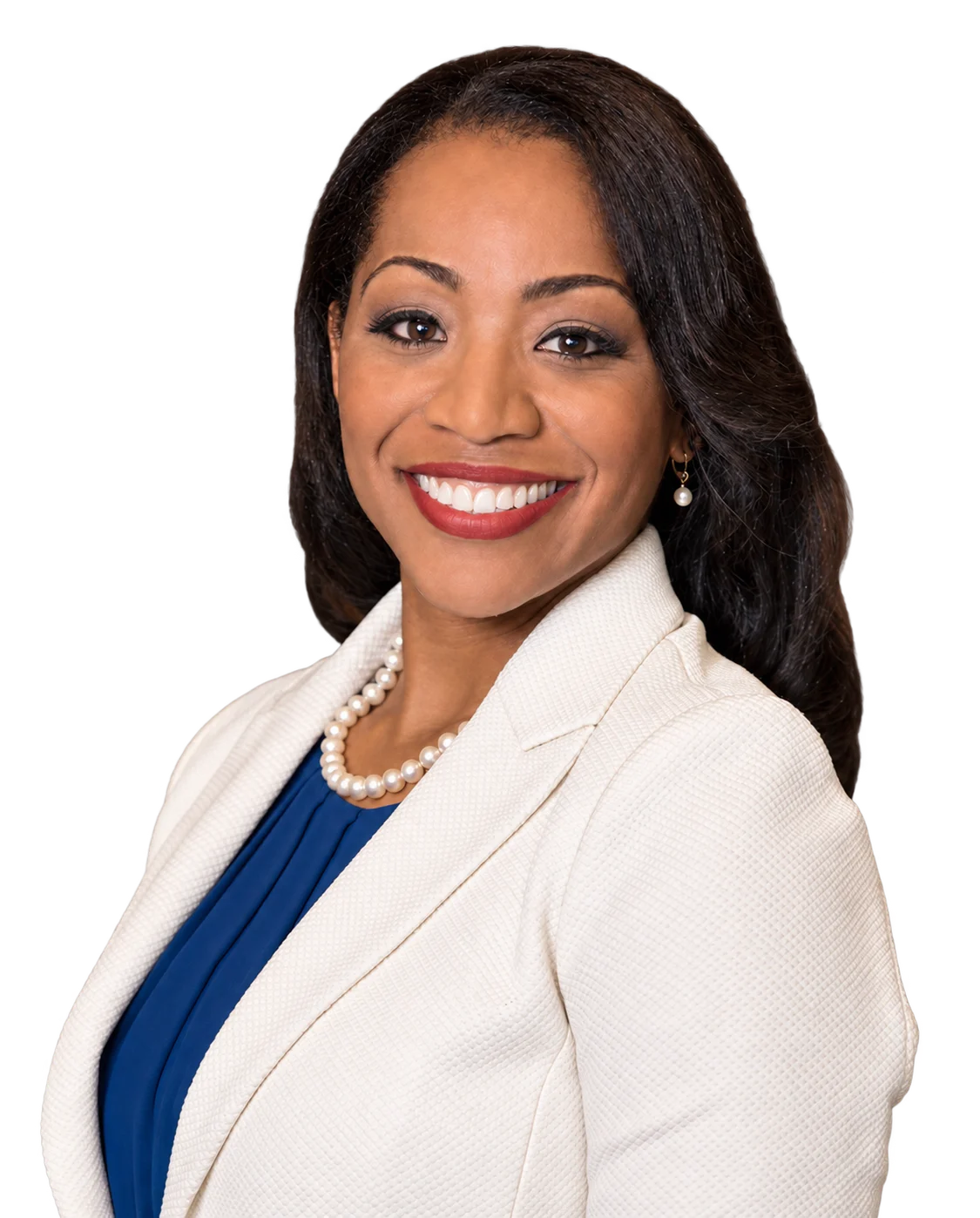
Malia Cohen smiling in a white jacket and blue blouse; background removed.
Sources and citations 11 references

Sources for this story

  1. CalMatters · May 2, 2022What would Malia Cohen do as California controller? ↗ (opens in a new tab)Cohen’s vision; 2022 interviewBack to story ↑
  2. California State Auditor · April 9, 2024Homelessness in California ↗ (opens in a new tab)Report 2023-102.1, summary and program assessmentsBack to story ↑
  3. Los Angeles Times · October 1, 2026California controller race voter guide ↗ (opens in a new tab)Cohen’s first-term challengesBack to story ↑
Share this story

Help someone else check the record.

Who funds Malia Cohen’s campaign?

Malia Cohen helps decide which affordable-housing projects receive state tax credits. Construction-trades groups give to her campaign, and housing-industry leaders organized a fundraiser for her. The records show who paid, who organized it and what access the event offered.

What decisions does Cohen help make?

As California State Controller, Malia Cohen is a voting member of the California Tax Credit Allocation Committee. It allocates low-income housing tax credits to housing projects. Her campaign contributors include unions and a PAC representing construction trades. Developers, contractors and trade organizations have different roles; the table identifies the contributors by name. [1]

Building-trades money in Cohen’s campaign
ContributorAmount
Steamfitters & Refrigeration UA Local 250$39,200.00
Northern California Carpenters Regional Council Power PAC$21,000.00
California State Pipe Trades Council$11,000.00

Selected contributor totals, CalMatters index updated September 28, 2026. Ordered by amount within this selection. [2]

Illustrative AI-generated Napa resort terrace at dusk; not a photograph of Silverado Resort or the fundraiser.

· Cohen campaign fundraiser · Silverado Resort, Napa

What did Cohen’s Napa fundraiser offer the housing industry?

On June 8, 2026, CCAH held a fundraiser for Malia Cohen at Silverado Resort in Napa. Its members work in affordable housing. Cohen has a vote on the state committee that awards low-income housing tax credits. [3] [1]

Why does this fundraiser matter?

Cohen is a voting member of the California Tax Credit Allocation Committee, which allocates tax credits to affordable-housing projects. CCAH’s own account says its fundraiser gave attendees direct access to discuss housing policy with her. That connects a campaign event to an area where she has public decision-making power. [1] [4]

On June 8, 2026, the California Council for Affordable Housing scheduled a ticketed Cohen fundraiser at Silverado Resort in Napa. The agenda named Caleb Roope and CCAH and directed RSVPs to Annie Eagan. It ran from 7:30 to 9 p.m., alongside the association’s housing conference. [3]

“It wasn’t just a fundraiser; it was a working conversation”
Brandon Hodge, CCAH PAC chair · June 16, 2026 · excerpt [4]

In its recap, CCAH said the event raised campaign support and gave attendees direct discussion with Cohen about development barriers and housing policy. This is the organizer’s account of the access it offered. Conference sponsorship and attendance at the fundraiser are separate records.

Who connects Cohen’s fundraising to a 2030 controller campaign?

Both Cohen’s 2026 campaign and Tim Grayson’s 2030 controller campaign paid Annie Eagan Consulting Inc., according to the Transparency USA payee index. Eagan was also the RSVP contact for Cohen’s Napa fundraiser, as listed in CCAH’s agenda. [5]

Malia Cohen
Malia CohenController 2026
Annie Eagan
Consulting Inc.
Tim Grayson
Controller 2030

Cohen and Grayson also serve on the California Debt and Investment Advisory Commission (CDIAC). It collects public-debt data and provides research, training and guidance on borrowing and investing public funds. Its June 25, 2025 agenda names both members and includes votes on commission business. [7] [8]

Payments indexed to Annie Eagan Consulting Inc.
Campaign committeeIndexed payments
Malia Cohen for Controller 2026Committee #1456350$134,028.37
Tim Grayson for State Controller 2030Committee #1477855$16,266.25

Transparency USA 2026-election search-index snapshot, retrieved October 9, 2026. Indexed aggregates for the named committees, not a current cash-balance statement. [5]

The two controller campaigns paid the same consultant. The Napa fundraiser also offered housing-industry attendees a chance to discuss policy with an official who votes on housing tax credits. The payment records and the organizer’s account document those connections.

Sources and citations 8 references
  1. California State Treasurer · Checked October 8, 2026CTCAC voting members ↗
  2. CalMatters / Secretary of State data · Updated September 28, 2026Controller campaign-finance contributor index ↗
  3. CCAH · June 8–10, 2026CCAH Spring Conference agenda ↗
  4. CCAH · Brandon Hodge · June 16, 2026Policy Shapes Housing and CCAH PAC Shapes Policy ↗
  5. Transparency USA · Index snapshot retrieved October 9, 2026Annie Eagan Consulting Inc. payee index ↗
  6. Emerge California · Undated; checked October 9, 2026Annie Eagan campaign advisory biography ↗
  7. California State Treasurer · Checked October 9, 2026CDIAC commission members ↗
  8. CDIAC · June 25, 2025CDIAC agenda and action items ↗
Share this story

Help someone else check the record.

Malia Cohen wearing a yellow blouse and glasses, looking right.

The state has your money. Can you get it back?

California State Controller Malia Cohen says unclaimed money belongs to its owners. Getting it back can take months. Her office’s system overhaul interrupted claims, and a new lawsuit accuses the office and its contractors of changing foreign shareholders’ addresses before taking and selling their stock. [2] [3]

Follow the money

What does California owe the people trying to collect?

When a family settles an estate or searches for old retirement savings, an address or account entry can determine whether the money comes home. Owners need accurate records, clear instructions and a payment after they prove the property is theirs. Those are everyday responsibilities of the State Controller’s Office.

What did Cohen promise, and what happened?

2022 candidate statement
“As Controller, I will ensure our tax dollars address the homelessness crisis” [12]

Cohen made homelessness spending a priority before taking office. By October 2026, her office reported to the Los Angeles Times that it had conducted no homelessness audits. Cohen attributed that to a denied funding request. [15]

2026 campaign website · checked October 9
“Building a more responsive, transparent, and effective State Controller’s Office.” [13]

The office’s 2025 transition plan paused claim evaluation and scheduled a website shutdown. Its current claims site still carries a conversion notice describing duplicate notices and property marked “Processing” during reconciliation. [8]

2026 candidate statement
“reunited all 58 counties with millions in unclaimed property” [14]

The office reports more than $30.4 million returned through its first proactive outreach round. That is money recovered. It does not resolve the separate problems documented in the system notices or the investors’ lawsuit. [2]

$1.56 billion2024–25 actual General Fund abandoned-property revenue

Does California benefit from holding unclaimed money?

The January 2026 Governor’s Budget records $1,559,883,000 in abandoned-property revenue for 2024–25. That is money counted in California’s General Fund, the account that pays for much of state government. The figure is revenue from the program, not interest alone. [16]

California law sends investment earnings from the Unclaimed Property Fund to the General Fund on the Controller’s order. The state can benefit from holding property while owners work through the claims process. That makes the speed and accuracy of returning it a question with financial consequences. [17]

New York PostJosh Koehn · October 8, 2026
“California’s fiscal watchdog accused of using fake addresses to seize fortunes in bombshell lawsuit”
Read the source [3]

What happened to the investors’ money?

The October 8 New York Post report identifies Malia Cohen as a named defendant alongside private contractors Kroll and Kelmar. Investors allege their foreign addresses were changed to California entries, their stock was taken and sold, and recovering their money became an ordeal. The reported October 7 filing challenges those actions; its claims are allegations, not court findings. [3]

Karl Whitty

Britain

Cardiff, UK became “CARDIFF, CA 00000”.

Whitty alleges Kroll replaced his British address with a California entry. After 17 months, he recovered almost $4,750; the filing valued the shares at approximately $15,222. [3]

Reported original location
Cardiff, United Kingdom
Alleged replacement entry
CARDIFF, CA 00000
cash recovered, according to the report
Nearly $4,750
reported value of the shares
About $15,222

Edmilson César Martim Jr.

Brazil

Retirement stock sold. Claims denied.

Martim alleges $708,641.22 in Google retirement stock was taken and sold without notice after his address was replaced with “CA 00000”. He describes embassy travel for notarized documents and repeated claim denials. [3]

stock involved in Martim’s allegation
$708,641.22
replacement address alleged in the filing
CA 00000

What did the sale mean for Karl Whitty?

The filing’s comparison puts a dollar figure on the consequence: nearly $4,750 recovered after a 17-month wait, versus approximately $15,222 for the shares had they remained unsold. The difference is about $10,472. This is the investor’s reported comparison, not a damages award. [3]

The Post reported that the Controller’s Office had not responded to its request for comment at publication on October 8, 2026. [3]

Who handles the property, and who gives to Cohen’s campaign?

Kroll and Kelmar are named alongside the Controller in the lawsuit reported by the Post. The records below identify their roles and individual campaign contributions by people connected to the unclaimed-property business. [3]

Malia Cohen

Malia Cohen

California State Controller

Her office administers the unclaimed-property program. [14]

Kroll

Acquired Verus Analytics in 2020

Verus worked on unclaimed-property recovery for states. James E. Hartley Jr. co-founded it and served as CEO from 2007 through 2020. [18]

Kelmar

Unclaimed-property systems and services

Kelmar’s website identifies Lynden D. Lyman as an executive consultant since 2017. The Controller’s system upgrade used its KAPS platform. [20] [7]

Individual contributions listed for Cohen

James E. Hartley Jr.

James Hartley

$14,987Aggregate listed by CalMatters

Transparency USA separately lists a $9,800 contribution on September 30, 2025, with the occupation attorney and employer Drubner Hartley Mengacci & Hellman. That firm’s biography identifies James E. Hartley Jr. as Verus’s former CEO. [21] [22] [18]

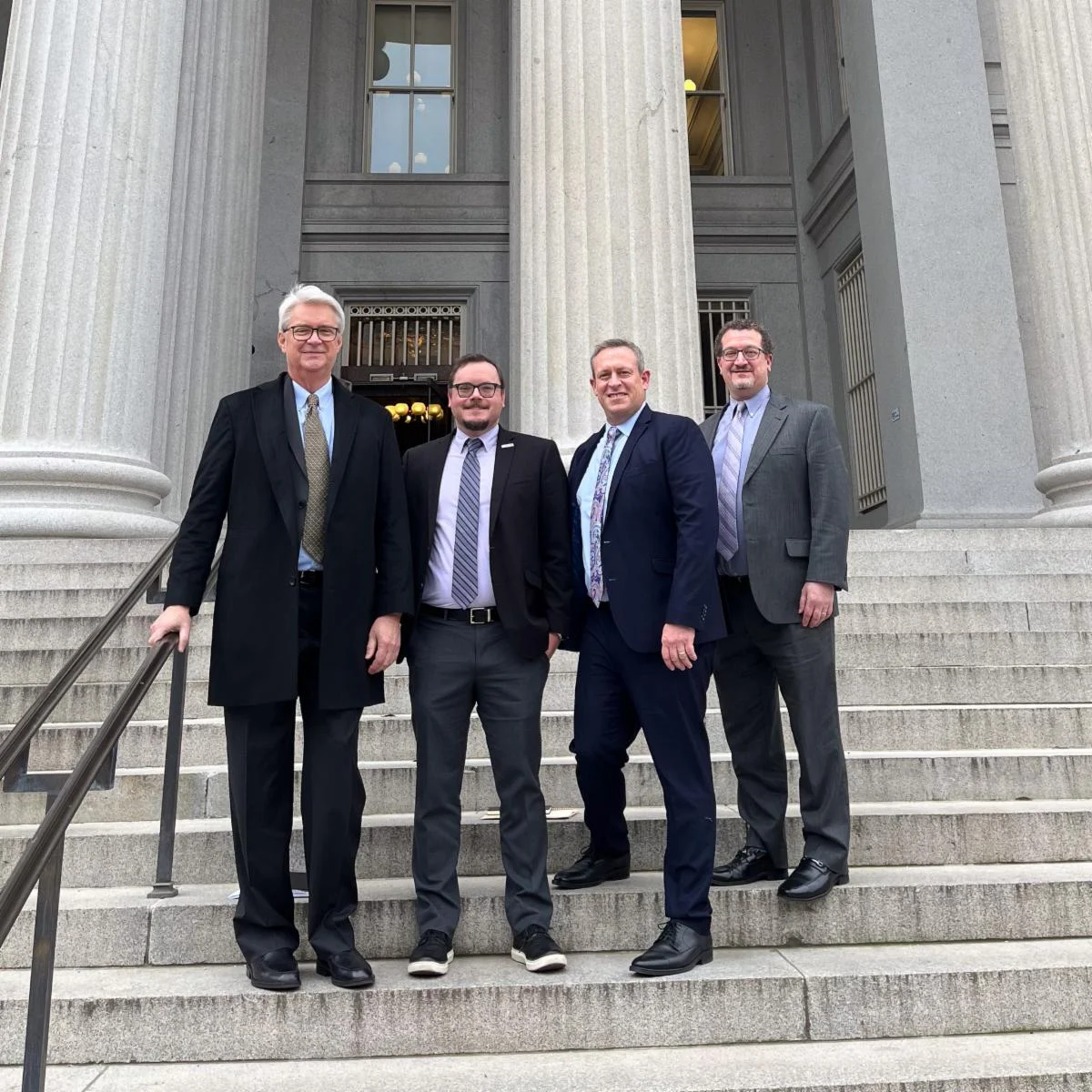
Lynden Lyman, leftmost person identified in the original newsletter photo

Lynden Lyman

$9,800Listed by CalMatters

Transparency USA lists a December 30, 2025 contribution under this name, with the occupation consultant and employer Lynden Lyman. Kelmar’s biography names Lynden D. Lyman as an executive consultant. [21] [22] [20]

Follow the contract and contribution dates
  1. Kroll announces the Verus acquisition

    Hartley’s biography dates the end of his Verus CEO tenure to 2020. [19]

  2. Kelmar system contract begins

    Industry Insider reports a competitively bid, four-year $10,263,691 contract running through March 14, 2028. [23]

  3. James Hartley contribution listed

    Transparency USA lists an individual contribution of $9,800 to Cohen. [22]

  4. Lynden Lyman contribution listed

    Transparency USA lists an individual contribution of $9,800 to Cohen. This date follows the original Kelmar contract’s start. [22]

  5. The Post reports the lawsuit allegations

    The report names Cohen, Kroll and Kelmar in the dispute over foreign-owned property. [3]

Cohen’s office oversees the companies doing this work. Owners deserve to see how it checks their records, resolves complaints and separates those decisions from campaign fundraising.

If California sells your stock, do you get your shares back?

After a sale, California law provides for payment of the net sale proceeds. That can leave an owner with cash from an earlier sale instead of an investment that has since risen in value. [4]

  1. Before a sale

    A valid claim can recover the securities while they remain in the Controller’s custody. [4]

  2. When the state sells

    The current rule generally requires sale 18 to 20 months after the actual property report is filed. [4]

  3. After a sale

    The owner receives net sale proceeds. The Controller’s claiming guide says it does not buy back shares or compensate for later market appreciation. [6]

Why does an altered address matter?

The dispute concerns the accuracy of the owner’s records and whether the required notice and custody rules were followed. California law can cover foreign-owned property when the holder is based in California. The issue is how the property was taken and handled. [5]

What went wrong with California’s unclaimed-property website?

The Controller promised faster claims through a new system. Its own transition plan paused claim evaluation and took the website offline. The current site acknowledges a conversion problem that produced duplicate notices and can leave transferred property marked “Processing” until reconciliation is complete. [7] [8]

  1. Claims accepted, evaluation paused

    The office said claims received during this period would not be evaluated or show a status during the transition.

  2. Website scheduled to go offline

    Staff would also lose access to the old system and be unavailable to return calls or emails during the shutdown.

  3. New system scheduled to launch

    The Kelmar Abandoned Property System, or KAPS, was intended to replace paper workflows with digital claims and document uploads.

  4. Claimants told to check again

    The office expected status updates within a month of implementation.

As checked October 9, 2026, ClaimIt.ca.gov still carries the conversion notice. It says affected property becomes claimable online after processing and reconciliation. [8]

What is it like to try to get your money back?

Public accounts describe the paperwork and the wait. These are individual experiences with California claims, not a measurement of every claim.

“It’s kind of every man for themselves.”
Doug BrownCBS San Francisco · Brad Hamilton · June 15, 2026

Brown described estate paperwork; he did not necessarily blame the state.

Watch the original report ↗
Frame from CBS San Francisco’s report on Doug Brown’s unclaimed-property claim.CBS San Francisco · Interview frame
“Right now I can't even get ahold of a human being on the phone to ask for details”
u/Drojman55Reddit · r/unclaimedproperty · February 6, 2025

Reported submitting bank-account paperwork on August 6, 2024 and waiting more than 180 days without a status change. In a later reply, the poster said the claim had been approved but was still awaiting the check process.

Read the post and follow-up ↗
“I just wish there was a more efficient way to pay the unclaimed funds without it taking almost a year to get a check!”
u/PsychologyReal4446Reddit · r/unclaimedproperty · January 21, 2026

Reported filing in April 2025 and seeing “paid” on January 21, 2026. In a follow-up, the same poster said the check arrived February 16, 2026.

Read the post and follow-up ↗

Who else had money waiting?

CBS findings: [1]

Funds identified by CBS News California, March 11, 2026
Organization groupAmount identified
California food banksAt least $95,000
Children’s hospitalsAt least $1.3 million
Make-A-Wish FoundationMore than $46,000
“These funds belong to Californians, not the state.”
Malia Cohen · State Controller’s Office · June 4, 2026 [2]

What has Cohen’s office returned through its outreach?

On June 4, 2026, the office announced a second round of tax-record matching and letters. [2]

December 2025 initiative

100,000+letters in the first outreach round

The office reports more than $30.4 million returned.

June 4, 2026 announcement

130,000people targeted for a second round

Eligible recipients verify a claim code online.

Does a notice mean the money has been returned?

No. Recipients must verify ownership using a claim code before payment. The office advised them to expect a check in about two weeks after completing the instructions. [2]

Getting a letter is not the same as getting paid.

Cohen’s office should be judged on completed returns, reliable records and a claims process owners can actually use. Search for your property, save the claim details and track the payment through the official site.

Search the official unclaimed-property database ↗
Sources and citations 23 references
  1. CBS News California · Julie Watts · March 11, 2026Unclaimed property investigation ↗
  2. California State Controller’s Office · PR26:14 · June 4, 2026Second round of proactive unclaimed-property outreach ↗
  3. New York Post · Josh Koehn · October 8, 2026Investors allege altered addresses and stock sales ↗
  4. California Legislature · Current law checked October 9, 2026Securities sales and owner claims · CCP §1563 ↗
  5. California Legislature · Checked October 9, 2026Conditions for state custody · CCP §1510 ↗
  6. California State Controller’s Office · January 2023; sale timing superseded by current lawClaiming guide · securities, page 4 ↗
  7. California State Controller’s Office · 2025 transition planSystem upgrade: shutdown and claim evaluation dates ↗
  8. California State Controller’s Office · ClaimIt · Checked October 9, 2026Holder and property owner conversion notice ↗
  9. CBS San Francisco · Brad Hamilton · June 15, 2026Bay Area claimant interview ↗
  10. Reddit · u/Drojman55 · February 6, 2025California unclaimed property wait times · post and replies ↗
  11. Reddit · u/PsychologyReal4446 · January 21, 2026; later payment updateCalifornia unclaimed property timeline · payment follow-up ↗
  12. California Secretary of State · archived voter guide · November 8, 2022 electionCohen’s own 2022 candidate statement ↗
  13. Malia Cohen for California · campaign website · Checked October 9, 2026Accomplishments · Transforming the State Controller’s Office ↗
  14. California Secretary of State · voter guide · November 3, 2026 election · checked October 9Cohen’s own 2026 candidate statement ↗
  15. Los Angeles Times · October 1, 2026California controller race voter guide · homelessness audits and funding response ↗
  16. California Department of Finance · Governor’s Budget · January 2026 · 2024–25 actualsSchedule 8 · Abandoned Property Revenue · page 6 ↗
  17. California Legislature · Checked October 9, 2026Investment earnings transferred to the General Fund · CCP §1318 ↗
  18. Drubner, Hartley, Mengacci & Hellman · attorney biography · Checked October 9, 2026James E. Hartley Jr. · Verus co-founder and former CEO ↗
  19. Kroll · acquisition announcement · July 1, 2020Kroll acquires Verus Analytics ↗
  20. Kelmar Associates · leadership biography · Checked October 9, 2026Lynden D. Lyman · executive consultant ↗
  21. CalMatters · Secretary of State contribution data · Data updated September 28, 2026Controller race · contributor totals ↗
  22. Transparency USA · indexed contribution records · September 30 and December 30, 2025 · checked October 9, 2026Malia Cohen · individual contribution entries, page 2 ↗
  23. Industry Insider / Government Technology · Dennis Noone · July 25, 2024Controller’s five largest IT service buys in the first half of 2024 ↗
Share this story

Help someone else check the record.

Who watches the watchdog?

Why did the Controller’s Office stop collecting money its own employees owed?

The office responsible for state payroll delayed recovering more than $33,000 in salary overpayments to two of its employees for over a year, the State Auditor found. [1]

Salary overpayments awaiting recovery
$33,000+
  1. Pay above the limit

    California’s personnel department flagged two employees’ salary rates as exceeding policy limits.

  2. The debts were recorded

    The office recorded about $19,500 owed by one employee and $13,700 by the other.

  3. Collection stopped

    A manager canceled payroll deductions for one employee. Repayment through the other employee’s leave credits was also paused.

  4. Still uncollected

    Neither overpayment had been recovered.

[1] California State Auditor · Report I2026-1 ↗October 1, 2026 · Salary overpayment investigation and agency response

Share this story

Help someone else check the record.

Why are California’s financial reports late?

A late report leaves the public waiting for a complete accounting of state finances. California’s delays have been on the State Auditor’s high-risk list since 2020. [2]

The July 2026 KPMG review examined the Controller’s Office, Finance, the State Auditor and five large departments. It identified practical failures in the reporting process:

Financial reporting problems identified in the KPMG review
ProblemWhat it means
Unclear responsibilityThe Controller’s Office and Finance needed clearer roles and better communication.
Inconsistent accounting guidanceDepartments needed one definitive authority for technical accounting advice and centralized training.
Late submissionsState entities were not sending their accounting information on time.

Read the full financial-reporting investigation →

[2] California State Auditor · Report 2025-602 ↗July 31, 2026 · KPMG performance audit

Share this story

Help someone else check the record.

California’s Pacific coast south of Big Sur.

Public money deservesa public explanation.

The Controller’s Office is responsible for public money. Its decisions and its answers belong in public, too.

California’s watchdog. A manager living in Idaho.

How did a manager in the State Controller’s Office work from Idaho for about five years? The California State Auditor’s October 1, 2026 investigation traced the location records, false telework addresses and failures inside the office. [1]

California office, Idaho residenceCalifornia and Idaho state outlines connected by a line. A State Controller’s Office manager lived and teleworked in Idaho from November 2020. States are separately scaled; the line shows a relationship, not a travel route.California officeIdaho residence
Location of employment and residence. State outlines shown separately.

“just about every day”

The manager’s description of working from Idaho, as reported by the State Auditor. [1]
  1. November 2020

    The move

    The manager moved to Idaho before Cohen became Controller. [1]

  2. 2023–2025

    California on the paperwork

    During Cohen’s term, his signed telework plans continued to list California addresses. [1]

  3. Before the investigation

    IT flagged the problem

    An IT report alerted HR to possible out-of-state telework. The office took limited action, saying it did not want to interfere with the investigation. [1]

  4. October 1, 2026 report

    The office responds

    The office said both investigated managers had separated, monitoring would be added, and its internal review had stopped while auditors investigated. [1]

Oversight starts inside the office.

The same office that checks other agencies’ spending needs to enforce its own rules.

What experience does Cohen bring to California’s fiscal watchdog job? →

[1] California State Auditor · Report I2026-1 · Case I2025-2887 ↗October 1, 2026 · Findings and agency response

Share this story

Help someone else check the record.

Her story, in context

User-supplied portrait of Malia Cohen.

Cohen was elected California State Controller in November 2022. Her official biography lists earlier service on the State Board of Equalization and the San Francisco Board of Supervisors.

The office’s biography is its own account of her career. Evaluating her work requires the underlying decisions, reports and responses alongside that account.

Read the original sources

What the controller does

The controller’s office handles statewide accounting, disbursements and payroll, audits public agencies, and administers unclaimed property. These responsibilities are described in the office’s published functions.

The State Auditor is a separate office. An outside audit of the controller and an audit performed by the controller are different records.

Read the original sources

Read the finding and the response

The payroll recovery timeline and the office’s response appear in “Who watches the watchdog?” below.

Read the original sources

Your shares. Sold by the state.

The unclaimed-property chapter covers the reported investor allegations, the stock-sale rules, the system transition and claimants’ experiences. Follow its numbered citations to the original sources.

Read the original sources

Follow the decision, then the outcome

The controller’s published duties include membership on financing and financial-oversight bodies. That broad role is a starting point, not proof that Cohen directed any particular housing award.

A project-level review should identify the responsible board, the decision and any recorded vote or delegation. It should keep authorized financing, money paid and completed housing outcomes separate. No project-specific finding is asserted here.

Read the original sources

What a campaign filing can tell us

California’s Secretary of State provides access to campaign and lobbying disclosures through CAL-ACCESS resources. Original filings are the starting point for checking a contribution’s amount, date and reported source.

A contribution alone does not establish influence over an audit or contract. Any such claim needs separate evidence connecting the donor, the decision and the official action.

Read the original sources

Progress belongs in the record, too

Read the financial reporting story below for the review’s findings and the progress it credited.

Read the original sources

The promises before the office

In a 2022 interview reported by CalMatters, Cohen described an expanded watchdog role and said she wanted scrutiny of the EDD, DMV and homelessness programs.

Those statements are a record of her campaign priorities. Establishing what followed requires comparing them with completed reports and the office’s explanations.

Read the original sources

How to read this publication

This publication is paid for by Herb Morgan for State Controller 2026, FPPC #1480103. It is not affiliated with Malia Cohen or the State Controller’s Office.

We link factual claims to dated records. Government findings, campaign statements and lawsuit allegations are identified by their source. Material responses appear beside the criticism.

We distinguish allocations from spending, individual contributions from company payments, and policy oversight from professional accounting work. The sources and methodology pages explain the comparisons.

Photography & illustration

The hero combines a user-supplied portrait with an AI-generated California park background and adjusted lighting. It is an illustrative composite, not a photograph of an actual visit or event. The yellow-blouse portrait has AI-assisted lighting and background extension. The seated microphone portrait is an AI-assisted background removal and clarity treatment of a supplied photograph, used as context, not as a reaction to the findings or an image of the encampment. Other Cohen portraits were supplied by the user; Original source files are retained in the editorial archive. Images are used for context and do not document the events discussed. The white-jacket portrait has AI-assisted clarity, highlight and color adjustments, with the original flag and backdrop removed for a navy-gradient composition, based on the supplied photograph.

The encampment beneath an overpass is an AI-generated illustration for visual context. The encampment does not depict an identified real location. It does not document a particular event, file, transaction, housing project or meeting. The Napa resort terrace is a generic AI-generated illustration, not a photograph of Silverado Resort, its specific event room, or the June 8 fundraiser.

The coastal photograph is Pacific Coast by Alanthebox, from Wikimedia Commons, dedicated under CC0. It is cropped and darkened in the layout. These visual treatments do not supply evidence for the editorial claims.

The Doug Brown interview frame is a screenshot of the CBS San Francisco report by Brad Hamilton, published June 15, 2026. It is linked to the original report beside the image, with the CBS watermark preserved. The frame is cropped without AI alteration and links to the original broadcast.

Coastal photograph and license ↗

The source library

8 sources

Your money deserves answers.

Are you a California voter who wants more transparency in state spending? Get updates on the Controller’s Office and learn how you can help bring more sunshine to Sacramento.